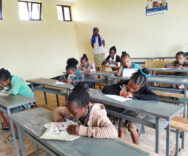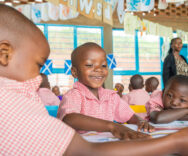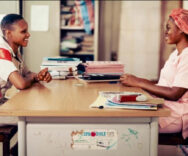
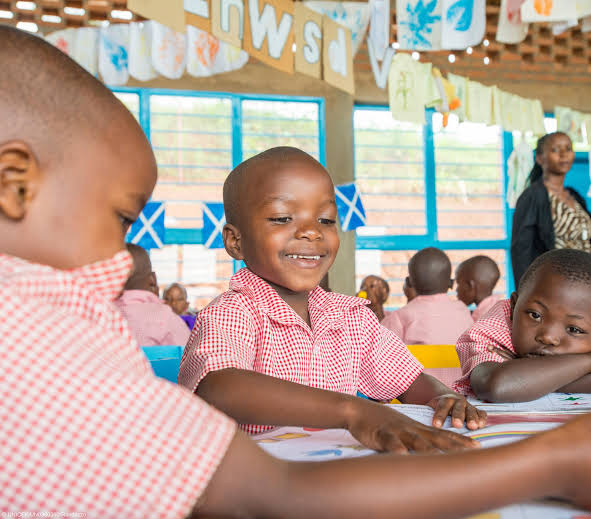
The first five years of a child’s life shape their health, learning and future wellbeing. During this period, the brain develops faster than at any other stage of life, laying the foundation for how children think, communicate, learn and interact with the world around them.
Yet for millions of Nigerian children, this critical window of opportunity is being lost.
According to the World Bank’s Nigeria Development Update 2026: Nigeria’s Tomorrow Must Start Today – The Case for Early Childhood Development, around 110 out of every 1,000 Nigerian children die before reaching their fifth birthday. Among those who survive, 40 per cent are stunted, while more than half are not developmentally on track before they begin primary school.
These figures highlight why early childhood development (ECD) must remain a national priority.
ECD refers to the physical, cognitive, emotional and social development of children from pregnancy through age five. A strong start in life depends on good nutrition, quality healthcare, responsive caregiving, protection and opportunities for early learning. Together, these help children build the skills they need to thrive in school and later in life.
Research consistently shows that investing in the earliest years delivers lifelong benefits. Children who receive quality early childhood support are more likely to perform well in school, enjoy better health and contribute positively to their communities. For countries, these investments strengthen human capital, reduce inequality and support long-term economic growth.
The World Bank’s findings are a reminder that investing in young children is not only about improving individual lives. It is about building a healthier, more productive and more prosperous Nigeria.
Every child deserves the opportunity to survive, learn and thrive. Prioritising early childhood development today is one of the smartest investments Nigeria can make for its future.
In the coming weeks, THAG Foundation will explore what these statistics mean, why so many children are being left behind and the practical actions that can help every child get the best possible start in life.