A nine-year-old girl who misses the HPV vaccine today could face a higher risk of cervical cancer years later. A pregnant woman who cannot access antenatal care is more likely to experience complications that affect both her and her baby.
For many children, missing routine health services means preventable illnesses continue unchecked.
These health challenges often exist within the same families. Rather than tackling them one at a time, the Kogi State Government is bringing them together through a single statewide campaign.
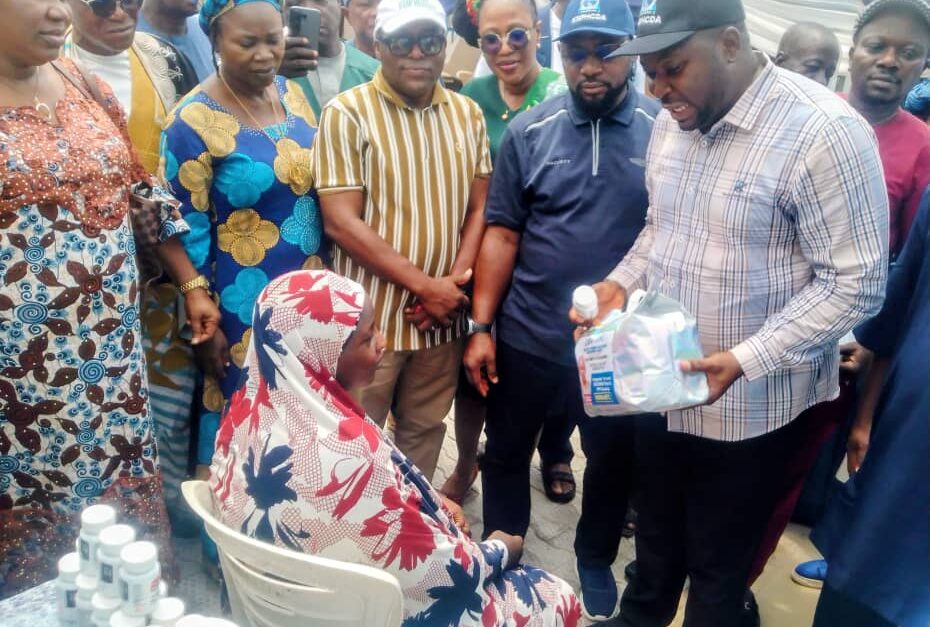
The state has launched its first Integrated Maternal, New-born and Child Health Week alongside an HPV vaccination drive and a Neglected Tropical Diseases campaign. The initiative, unveiled in Lokoja with traditional rulers, health workers and development partners, aims to reach more families with essential health services in one visit.
Why integrate these services?
In many communities, mothers and children face several health needs at the same time. Yet healthcare programmes are often delivered separately, requiring families to make multiple trips or wait for different outreach campaigns.
Kogi’s approach combines these interventions into one coordinated programme. The goal is to reduce missed opportunities, improve coverage and make healthcare easier to access, especially in underserved communities.
What the campaign offers
Children under five will receive Vitamin A supplementation, deworming treatment and growth monitoring.
Pregnant women will have access to antenatal care, iron folate supplements and nutrition counselling.
Nine-year-old girls will receive the HPV vaccine, which protects against the virus responsible for most cases of cervical cancer.
The campaign also includes the distribution of medicines for schistosomiasis and soil transmitted helminth infections.
According to the Kogi State Government, outreach teams will work across remote settlements, riverine communities, schools and markets to ensure more people receive these services.
Why experts say this matters
Commissioner for Health Dr Abdulazeez Adams Adeiza describes the initiative as “an integrated campaign for life,” emphasising that delivering multiple services together allows the health system to reach more people efficiently.
Executive Director of the Kogi State Primary Health Care Development Agency, Dr Musa Omeiza Muazu, says communities rarely face a single health challenge in isolation. Addressing several needs during one outreach can improve both coverage and health outcomes.
UNICEF State Facilitator Olumide Adeyeye also welcomed the approach, urging communities and stakeholders to ensure eligible women and children benefit from the campaign.
State Nutrition Officer Abdulazeez Usman says nutrition remains central to the exercise. Beyond monitoring children’s growth, health workers are counselling mothers on affordable local foods such as beans, eggs, ugu and moringa while providing iron folate supplements to pregnant women.
For beneficiary Sadiya Abubakar, receiving several health services in one place saves both time and cost, making healthcare more accessible for mothers and their children.
Will one campaign be enough?
Health experts note that integrated campaigns can improve access, but lasting impact depends on consistent funding, strong logistics and follow up after outreach activities end.
Reaching remote communities remains one of the biggest challenges, and sustaining these services beyond campaign periods will be critical.
What this means for girls and families
For girls, early HPV vaccination offers protection long before the risk of cervical cancer develops.
For mothers, receiving antenatal care, nutrition support and child health services during a single visit reduces the burden of multiple clinic appointments.
For children, combining preventive services increases the chances that routine healthcare is not missed.
As Kogi rolls out the campaign across all local government areas, the initiative offers a practical example of how integrating health services could strengthen care for girls, mothers and children while making limited health resources go further.